Safe Space Mapping: A 5-Step Plan for Calm & Boundaries
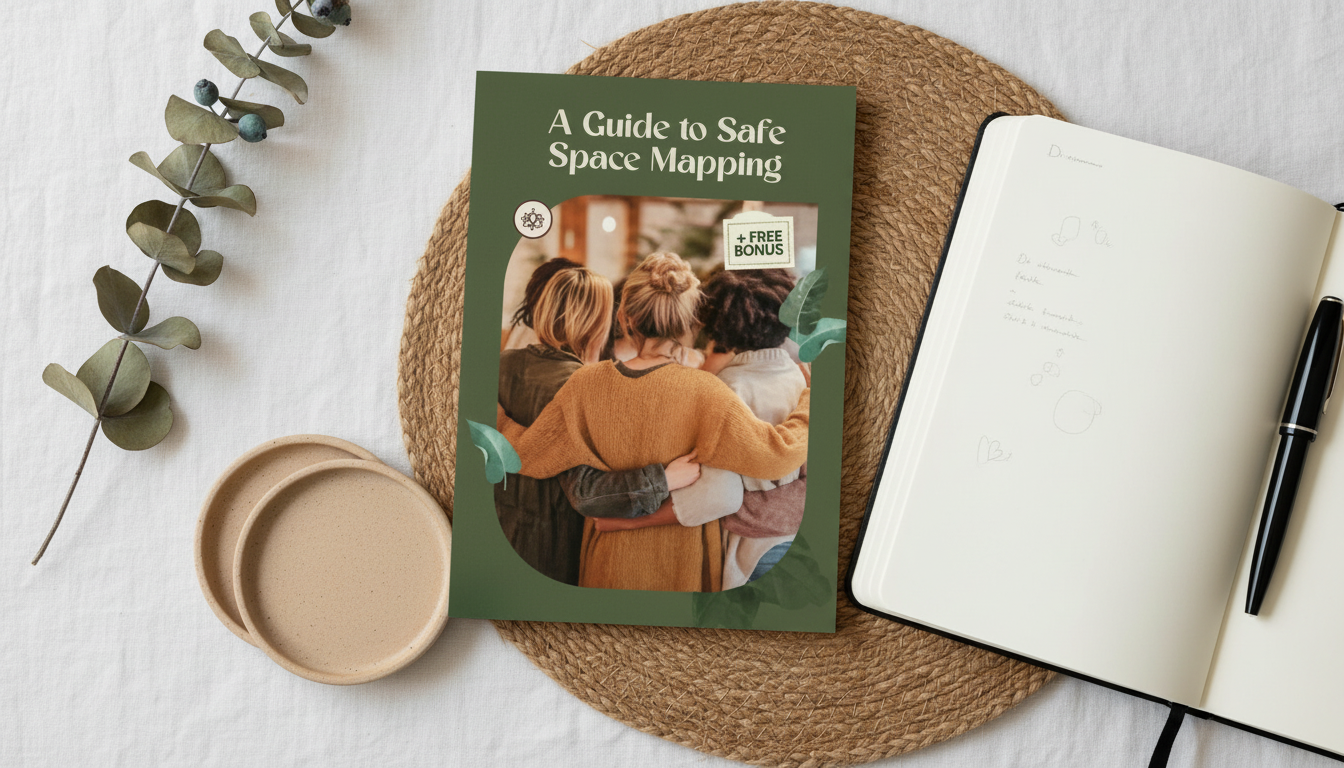
Safe space mapping turns an abstract question—“Where do I feel safe?”—into something visible and usable. By identifying people, places, routines, and signals that increase or reduce a sense of safety, a safe space map supports planning, communication, and day-to-day regulation. It can be personal (for home, school, or work) or shared (for a classroom, team, or community), as long as privacy and consent are respected.
What “safe space” means (and what it does not)
A safe space is a context that supports dignity, consent, and emotional or physical safety through clear expectations and respectful behavior. It’s less about “perfect comfort” and more about knowing what’s allowed, what isn’t, and what happens if something goes wrong.
It helps to separate comfort from safety. A conversation can feel uncomfortable (hard feedback, disagreement, accountability) and still be safe when boundaries are honored. Safe spaces don’t eliminate conflict; they provide tools to handle conflict without harm—through predictable rules, respectful language, confidentiality expectations, the ability to pause or leave, and access to support when needed.
Safe space mapping: the core idea and when it helps most
Safe space mapping is a structured inventory of supports and stressors across environments: physical locations, relationships, routines, and digital settings. Instead of guessing what will help during a spike of anxiety, overstimulation, burnout, or social conflict, you pre-decide your best options and make them easy to access.
Mapping tends to help most during transitions (new school, new job, moving), when triggers are unpredictable, or when stress is chronic and you need a steadier plan. It can also support community-building by clarifying shared norms.
Accessibility matters: some people prefer journaling, others use printable worksheets, and many keep a private note on their phone. The best format is the one you can actually open when you’re tired, overwhelmed, or short on time.
How to build a safe space map in 5 steps
Step 1 — Identify categories
Create a short list of categories: places (home, classroom, commute), people (supportive contacts), activities (music, movement, hobbies), and sensory factors (noise, lighting, textures). Include “micro-spaces” too—like a quiet stairwell, a parked car, or a specific chair.
Step 2 — Track signals
List early warning signs that tell you safety is dropping: tight chest, shallow breathing, irritability, racing thoughts, shutdown, or the urge to flee. Then list “green flags” that show regulation is returning, such as steady breathing, better focus, or openness to problem-solving. These signals become your cue to use the map sooner—before you hit a breaking point.
Step 3 — Rate safety and control
For each category, note (1) how safe it usually feels and (2) how much you can control quickly. “Quick control” might mean headphones, changing seats, stepping away, or setting a messaging boundary. “Planned control” might require schedule changes, formal accommodations, or a meeting with a teacher/supervisor.
Step 4 — Add coping actions
Give yourself two lists: fast actions (low-effort steps like drinking water, grounding, stepping outside) and longer actions (therapy appointment, a structured conversation, a plan to reduce workload). When stress is high, you’ll use the fast list; the longer list supports prevention and recovery.
Step 5 — Make it usable
| Category | Examples to list | Safety boosters | Stressors | Fast actions |
|---|---|---|---|---|
| Places | Bedroom, library corner, parked car, quiet stairwell | Low light, door sign, seat choice | Crowds, loud music, interruptions | Move locations, headphones, text a support person |
| People | Friend, partner, mentor, counselor | Nonjudgmental tone, consent to discuss | Dismissive jokes, pressure, gossip | Script a boundary, pause conversation, call/message backup |
| Routines | Morning plan, breaks, meals, sleep | Predictability, reminders | Overbooking, skipped meals | Reset plan, cancel one task, 10-minute break |
| Digital | Group chats, social media, email | Mute, filters, trusted lists | Dogpiling, doomscrolling | Mute/block, log off, report, time limits |
Creating safe spaces: boundaries, norms, and design choices
Using the map in real moments: a simple “pause–choose–connect” routine
Aftercare: once regulated, update the map: what worked, what didn’t, and what new stressors or supports showed up. Keep a separate escalation plan for urgent safety concerns (local emergency numbers, crisis lines, workplace/school procedures). For trauma-informed principles that emphasize safety, trust, and empowerment, see SAMHSA’s trauma-informed care guidance and the APA’s overview of trauma and coping.
Safe spaces in groups: classrooms, teams, and communities
Digital safe spaces: privacy, moderation, and attention boundaries
Digital safe spaces require both social norms and technical guardrails. Use strong passwords and two-factor authentication, and think carefully before sharing personal details. For practical cybersecurity and privacy basics, reference NIST guidance.
Helpful printables to support planning and boundaries
- Modern Etiquette Micro-Course | Printable Digital Etiquette Guide for clear norms, respectful communication, and smoother repair after misunderstandings.
- Homework Help Made Easy Toolkit for Parents – Printable Guide for Creating Study Habits for building predictable routines and calmer study spaces at home.
- Pet Travel Essentials Checklist for Safe Trips | Printable Pet Travel Planner for reducing last-minute stress during travel days when routines and environments change.
FAQ
Is safe space mapping only for people with anxiety or trauma?
No. It’s useful for burnout, transitions, sensory overload, conflict, and everyday stress because it helps you identify what supports regulation and what drains it. It can also complement professional care when extra support is needed.
How often should a safe space map be updated?
Make small updates after stressful events so the map stays accurate, and do a quick monthly check-in if you can. Major life changes—new job, moving, shifts in relationships—are good triggers to revise it.
How can safe spaces be maintained without shutting down disagreement?
Use norms that allow respectful conflict: consent-based discussion, no insults, no interruptions, and clear repair steps when harm occurs. Discomfort is allowed; harm and boundary violations aren’t.















Leave a comment